The e-commerce landscape is undergoing a visual transformation that promises to fundamentally alter how consumers interact with products online. At the heart of this revolution lies 360° dynamic display technology - an innovation that's rapidly becoming the new gold standard for product presentation. Gone are the days when static images could satisfy the discerning online shopper; today's consumers demand immersive, interactive experiences that bridge the gap between physical and digital retail.
From Flat to Fully Interactive
The limitations of traditional product photography have become increasingly apparent in an era where customers can't physically touch or examine items before purchase. Conventional product images, no matter how high-resolution, only show items from predetermined angles, leaving shoppers guessing about details hidden from view. This information gap frequently leads to hesitation in the buying process or, worse, product returns when expectations don't match reality.
360° dynamic imaging solves this problem by putting control back in the consumer's hands. Using specialized photography equipment or advanced 3D modeling, products can be captured from every conceivable angle. When implemented on e-commerce platforms, these spherical images allow users to rotate, zoom, and examine items as if they were holding them in a physical store. The technology creates what psychologists call "perceptual ownership" - the feeling that the product already belongs to the viewer, significantly boosting conversion rates.
The Technology Behind the Transformation
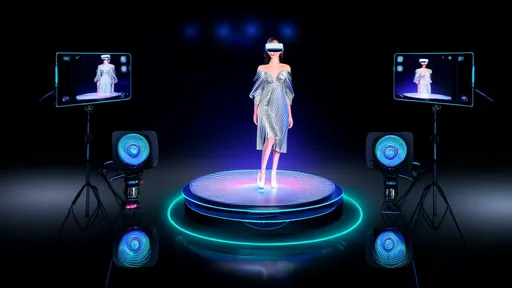
Creating effective 360° product visuals requires either multi-camera rigs that capture dozens of simultaneous images or motorized turntables that rotate products before a high-resolution camera. For larger items like furniture or vehicles, photographers use specialized robotic arms that move cameras around stationary objects. The resulting images are then stitched together using sophisticated software that creates seamless transitions between angles.
More advanced implementations employ WebGL and HTML5 technologies to create fluid, responsive viewing experiences that work across devices without requiring plugins. Some forward-thinking retailers have begun incorporating augmented reality layers, allowing potential buyers to visualize products in their own spaces before committing to a purchase. These technological integrations represent more than just flashy features - they address genuine consumer pain points in the online shopping journey.
Consumer Psychology and the Rotation Effect
Human beings are tactile creatures by nature, and the instinct to handle objects before purchase runs deep. Neuromarketing studies reveal that the simple act of rotating a product on screen activates similar neural pathways to those engaged when physically handling an item. This subconscious connection explains why products with 360° views consistently demonstrate higher engagement metrics and lower return rates across multiple retail categories.
The psychological impact extends beyond mere product examination. Dynamic rotation creates an illusion of depth and tangibility that static images cannot replicate. When consumers feel they've thoroughly inspected an item, they develop greater confidence in their purchasing decisions. This reduced cognitive dissonance translates directly to improved sales performance and customer satisfaction metrics.
Implementation Challenges and Solutions
While the benefits are clear, adopting 360° display technology presents logistical challenges for e-commerce operations. The photography process requires specialized equipment and expertise, potentially increasing production costs. Image files are significantly larger than traditional product photos, demanding robust hosting solutions and optimized delivery systems to maintain fast page load times.
Forward-thinking companies are addressing these challenges through automated photography systems that streamline the capture process and cloud-based solutions that handle heavy media files efficiently. Some platforms now offer AI-powered tools that can generate plausible 360° views from limited image sets, reducing the need for extensive photoshoots. As the technology matures, these innovations are making dynamic product displays increasingly accessible to businesses of all sizes.
Category-Specific Applications
The impact of 360° technology varies across product categories, with some industries seeing particularly dramatic results. In fashion retail, rotating views allow customers to appreciate garment drape and fabric movement that static images cannot convey. Jewelry retailers benefit from the ability to showcase intricate details and stone settings from multiple angles. Even grocery items see improved conversions when buyers can examine packaging details and product freshness indicators from all sides.
Perhaps most transformative has been the technology's application in automotive sales and real estate. These high-consideration purchases traditionally required physical showroom visits or property tours. Now, comprehensive 360° presentations provide enough visual information for serious buyers to make preliminary decisions remotely, streamlining the sales process for both consumers and businesses.
Mobile Optimization and the Thumb-Scroll Generation
The rise of mobile commerce has made intuitive product visualization even more critical. Modern consumers, accustomed to swipe gestures and pinch-zoom interfaces, expect similarly interactive experiences when shopping on smartphones. 360° displays optimized for touch controls align perfectly with these ingrained user behaviors, creating frictionless browsing experiences that keep potential buyers engaged.
Responsive design considerations are paramount - rotation controls must be easily accessible without dominating limited screen real estate. Leading implementations use subtle motion cues and intuitive gesture recognition to guide users through the interactive experience naturally. When executed well, these mobile-optimized views can increase time-on-page metrics by as much as 300%, dramatically improving conversion opportunities.
Conversion Metrics and ROI
Quantifiable results demonstrate why 360° technology has transitioned from nice-to-have novelty to essential e-commerce tool. Retailers report average conversion increases of 10-30% for products featuring dynamic displays compared to static images alone. Perhaps more telling are reductions in return rates - some apparel sellers have seen returns decrease by up to 40% when customers can thoroughly examine items pre-purchase.
The return on investment becomes particularly compelling when considering customer lifetime value. Satisfied buyers who receive products matching their expectations are more likely to become repeat customers. This compounding effect means the true value of immersive product presentation extends far beyond initial sale metrics.
The Future of Product Visualization
As 360° technology becomes table stakes in e-commerce, innovators are already pushing boundaries with next-generation solutions. Some platforms are experimenting with interactive hotspots within rotations that reveal product features or specifications when tapped. Others are blending 360° views with user-generated content, allowing shoppers to toggle between professional and authentic customer perspectives.
Perhaps most exciting are developments in 3D configurators that let customers not just view but customize products in real-time - changing colors, materials, or components while seeing their selections rendered instantly. These advanced applications point toward a future where the line between digital and physical shopping experiences becomes increasingly blurred.
The e-commerce image revolution shows no signs of slowing. As consumer expectations evolve and supporting technologies advance, 360° dynamic displays will likely become the baseline rather than the exception. For forward-thinking retailers, embracing this visual transformation now represents both a competitive necessity and significant growth opportunity in the increasingly crowded online marketplace.

By /Aug 13, 2025

By /Aug 13, 2025

By /Aug 13, 2025

By /Aug 13, 2025

By /Aug 13, 2025

By /Aug 13, 2025

By /Aug 13, 2025
By /Aug 13, 2025

By /Aug 13, 2025
By /Aug 13, 2025

By /Aug 13, 2025

By /Aug 13, 2025

By /Aug 13, 2025

By /Aug 13, 2025

By /Aug 13, 2025

By /Aug 13, 2025

By /Aug 13, 2025

By /Aug 13, 2025

By /Aug 13, 2025

By /Aug 13, 2025
