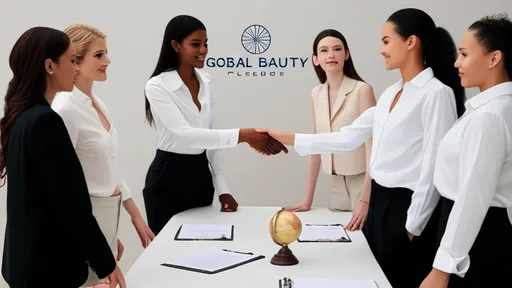
The beauty industry is undergoing a transformative shift as brands worldwide rally behind the Real Skin Pact, a groundbreaking initiative promoting authenticity and inclusivity in skincare and cosmetics. What began as a fringe movement challenging unrealistic beauty standards has now evolved into a global phenomenon, with multinational corporations and indie brands alike signing the pledge to celebrate real skin in all its textures, tones, and imperfections.
Behind the scenes of this movement lies a fascinating story of consumer activism meeting corporate responsibility. Market analysts note that the Real Skin Pact gained critical momentum after several viral social media campaigns exposed the widespread use of digital editing in beauty advertisements. This consumer awakening created unprecedented pressure on brands to adopt more transparent practices. "We're witnessing a fundamental redefinition of beauty marketing," observes industry veteran Claudia Renoir. "The old playbook of airbrushed perfection no longer resonates with today's consumers."
European beauty conglomerates have emerged as early adopters of the pact, with French luxury houses leading the charge. L'Oréal's decision to ban digital skin retouching across all campaigns sent shockwaves through the industry, prompting competitors to follow suit. Meanwhile, Scandinavian brands have pioneered innovative "skin positivity" labeling systems that highlight unaltered product imagery. This northern European approach has proven particularly influential, with several Asian beauty giants now adapting similar transparency measures for regional markets.
The North American market presents a more complex picture of adoption. While several progressive indie brands built their entire identities around the Real Skin principles, mainstream acceptance has been slower. Industry insiders attribute this to the entrenched culture of celebrity endorsements and Hollywood beauty standards. However, recent commitments from two major American conglomerates suggest a tipping point may be near. Their pledge to phase out excessive photo editing within eighteen months could potentially reshape beauty norms across the continent.
Perhaps most surprising has been the enthusiastic participation from traditionally conservative markets. Middle Eastern luxury brands, long associated with flawless glamour aesthetics, have begun incorporating the pact's principles through culturally nuanced approaches. Dubai-based marketing executive Farah Al-Mansoori explains: "We're maintaining our region's love for opulence while showing real skin texture. It's about evolving, not abandoning our aesthetic roots." Similarly, several Japanese heritage brands have found innovative ways to honor their meticulous beauty traditions while embracing the pact's authenticity ethos.
The implementation challenges reveal fascinating cultural differences in perception. European and North American brands tend to focus on acne and wrinkles, while Asian participants emphasize pigmentation and pore visibility. Latin American signatories have pioneered campaigns celebrating indigenous skin tones rarely represented in mainstream media. These regional variations demonstrate how the Real Skin Pact adapts to local beauty cultures rather than imposing a monolithic standard.
Critics argue that some brands engage in "pact-washing" - signing the agreement while maintaining subtly manipulative practices. The most common loophole involves strategic lighting and makeup techniques that achieve near-perfect complexions without digital editing. In response, pact organizers have established an independent verification system with graduated compliance levels. This nuanced approach acknowledges that meaningful change happens progressively rather than overnight.
Financial analysts report intriguing market shifts correlating with pact adoption. Brands demonstrating genuine commitment to real skin principles are seeing increased customer loyalty and higher engagement rates, particularly among Gen Z consumers. However, some traditional prestige brands have experienced short-term dips in social media metrics as they transition away from highly polished content. "The data suggests we're in a transitional period," notes market researcher David Yang. "Authenticity ultimately wins, but the path there isn't always smooth."
Looking ahead, the Real Skin movement appears poised to expand beyond static imagery into dynamic content. Several signatory brands are experimenting with unretouched video campaigns and live-streamed product demonstrations. The next frontier may involve artificial intelligence, with pact members collaborating on ethical guidelines for emerging technologies that could either enhance transparency or enable new forms of digital manipulation. As the initiative enters its third year, its influence continues spreading across product development, retail experiences, and even medical aesthetics.
The profound cultural impact of this movement extends far beyond marketing materials. Educational programs associated with the pact are changing beauty school curricula, while partner nonprofits work to improve skin health literacy. Perhaps most significantly, the collective shift toward authenticity appears to be influencing adjacent industries from fashion to wellness. What began as a simple pledge against photo editing has blossomed into a multidimensional reimagining of how society perceives and celebrates human appearance in all its authentic diversity.
By /Aug 13, 2025
By /Aug 13, 2025

By /Aug 13, 2025

By /Aug 13, 2025
By /Aug 13, 2025

By /Aug 13, 2025

By /Aug 13, 2025

By /Aug 13, 2025

By /Aug 13, 2025

By /Aug 13, 2025

By /Aug 13, 2025

By /Aug 13, 2025
By /Aug 13, 2025
By /Aug 13, 2025

By /Aug 13, 2025
By /Aug 13, 2025
By /Aug 13, 2025
By /Aug 13, 2025
By /Aug 13, 2025
By /Aug 13, 2025
