Harajuku's backstreets, once pulsating with the raw energy of Tokyo's youth culture, have entered an era of quiet transformation. The labyrinthine alleys of Ura-Harajuku (literally "behind Harajuku") that birthed Japan's most influential street fashion movements now whisper tales of change rather than scream rebellion. Longtime observers note how the district's creative ecosystem has been fundamentally altered by shifting consumer habits, digital disruption, and the inevitable march of urban development.
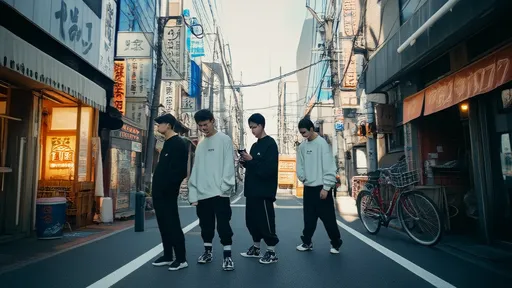
Walking down Cat Street these days reveals a different rhythm than the early 2000s heyday. The once-dominant visual kei boutiques and punk-inspired secondhand stores have given way to minimalist sneaker shops and high-end streetwear flagships. What was once a laboratory for sartorial experimentation now increasingly serves as a showroom for global hype culture - albeit with that characteristically Japanese attention to detail and presentation.
The change becomes particularly evident when speaking with shop owners who weathered multiple fashion cycles. "Kids don't hang out here all day trading clothes and ideas like they used to," laments the owner of a vintage store that survived the 90s economic crash. "They take selfies in front of murals, buy one overpriced T-shirt from a Supreme reseller, then disappear into Shibuya's mega malls." This transactional relationship contrasts sharply with Ura-Harajuku's historical role as a communal creative space where trends gestated organically through constant in-person interaction.
Several structural factors explain this cultural ebb tide. The smartphone revolution fundamentally altered how young people discover and participate in subcultures. Where previous generations needed to physically congregate in Harajuku to exchange magazines, share mix tapes, or showcase DIY fashion, today's youth curate their identities through Instagram and TikTok. The digital realm now serves as the primary incubator for aesthetic movements, reducing the district's role as a physical meeting ground.
Economic pressures have also reshaped the area's creative landscape. Skyrocketing rents - driven by Harajuku's global tourism boom - pushed out many independent ateliers that once nurtured emerging designers. The remaining small shops increasingly cater to deep-pocketed collectors rather than local trendsetters. "We used to have high school kids saving lunch money to buy one special item that defined their look," recalls a clerk at a longstanding headwear boutique. "Now it's mostly 30-something professionals and overseas buyers."
Yet declaring Ura-Harajuku's cultural death would be premature. The neighborhood still produces influential designers and hosts niche communities keeping underground scenes alive. Smaller venues like neighborhood bars and compact gallery spaces continue facilitating cross-pollination between musicians, artists, and fashion creatives. What's changed is the scale and visibility of these interactions - they now occur in the margins rather than dominating the district's identity.
The pandemic accelerated certain transitions while unexpectedly reviving others. As international tourism evaporated, some shops doubled down on cultivating local clientele, rediscovering the neighborhood's community-building potential. At the same time, the work-from-home era reduced foot traffic from office workers who previously browsed during lunch breaks. This created a strange duality - fewer people overall, but more dedicated regulars among those who remained.
Architectural changes mirror these cultural shifts. The low-rise, slightly ramshackle buildings that allowed for cheap retail spaces are gradually being replaced by sleek mixed-use developments. While aesthetically polished, these new structures often lack the quirky character that made Ura-Harajuku feel like a creative playground. One notable exception is the recent renovation of the historic Laforet complex, which managed to preserve its avant-garde spirit while modernizing facilities.
Fashion professionals offer nuanced perspectives on these changes. "The energy is different, but the essence remains," argues a stylist who worked with both the 90s decora girls and current influencers. "Harajuku was always about self-invention. Today's kids just do it through digital personas as much as physical outfits." Indeed, some of Tokyo's most innovative digital artists and virtual fashion pioneers still draw inspiration from the neighborhood's legacy, even if their work exists primarily online.
The globalization of streetwear presents another complex factor. While international brands dominate prime retail spaces, their presence has forced Japanese designers to refine their unique value propositions. Some respond by digging deeper into niche cultural references, creating pieces that resonate with local cognoscenti while flying under the mainstream radar. Others leverage Harajuku's legacy as a marketing tool, sometimes to the point of self-parody.
Tourism's impact remains a double-edged sword. Pre-pandemic overcrowding threatened to turn the area into a shallow parody of itself, with "Harajuku culture" becoming just another item on visitor checklists. The recent slowdown allowed for recalibration, though upcoming developments like the new Olympic Village nearby suggest another wave of commercialization may loom. How the neighborhood balances accessibility with authenticity will likely define its next chapter.
Interestingly, some of the most vibrant creative activity has migrated to adjacent areas. Shimokitazawa's thriving vintage scene and Koenji's punk venues now attract the type of youth who once flocked to Ura-Harajuku. This geographic diffusion reflects how Tokyo constantly reinvents its cultural geography, with creative communities seeking out affordable spaces as established districts gentrify.
Amid these changes, certain constants endure. The backstreets still host hidden gems for those willing to explore beyond the main drags. Sunday gatherings of rockabilly dancers near Yoyogi Park continue decades-long traditions. And every so often, a new subculture emerges that reminds everyone why this place became legendary. As one longtime resident poetically observed: "Harajuku isn't dying - it's breathing differently now."
The district's future may lie in becoming more of a cultural archive than a cutting-edge laboratory. Museums and academic institutions have shown growing interest in documenting its history, with several oral history projects underway. This institutional recognition brings validation but also risks fossilizing what was always a living, evolving scene. The challenge lies in honoring the past without turning it into nostalgia kitsch.
What emerges from this transitional period remains to be seen. The neighborhood's next iteration might blend physical and digital creative spaces in ways that reflect contemporary youth culture. Some visionary shop owners are already experimenting with AR installations and NFT collaborations while maintaining brick-and-mortar bases. This hybrid approach could redefine what "street culture" means in an increasingly virtual world.
Ultimately, Ura-Harajuku's story reflects broader urban cultural shifts worldwide. As cities globalize and digital realms expand, physical creative hubs must adapt or fade. The district's resilience will depend on its ability to nurture new forms of community while preserving the experimental spirit that made it extraordinary. For now, it remains a place where Tokyo's endless self-reinvention plays out in fascinating, unpredictable ways - even if the visual markers have changed.

By /Aug 13, 2025

By /Aug 13, 2025
By /Aug 13, 2025

By /Aug 13, 2025
By /Aug 13, 2025

By /Aug 13, 2025

By /Aug 13, 2025

By /Aug 13, 2025
By /Aug 13, 2025

By /Aug 13, 2025

By /Aug 13, 2025

By /Aug 13, 2025
By /Aug 13, 2025
By /Aug 13, 2025

By /Aug 13, 2025

By /Aug 13, 2025

By /Aug 13, 2025
By /Aug 13, 2025
By /Aug 13, 2025
By /Aug 13, 2025
