The fashion industry stands at the precipice of its most radical transformation since the invention of ready-to-wear clothing. The emerging concept of size-free design isn't merely about eliminating numerical labels - it represents a fundamental rethinking of how garments interact with diverse human bodies. This revolution challenges centuries of standardized sizing systems that have consistently failed to accommodate the beautiful complexity of human forms.
From Standardization to Personalization
Traditional sizing charts trace their origins to military uniform production during the Napoleonic Wars, when governments needed efficient ways to clothe thousands of soldiers. This industrial approach never truly adapted to civilian needs, forcing consumers to fit themselves into predetermined boxes. The size-free movement flips this paradigm entirely, focusing on garments that adapt to individuals rather than demanding bodies conform to arbitrary measurements.
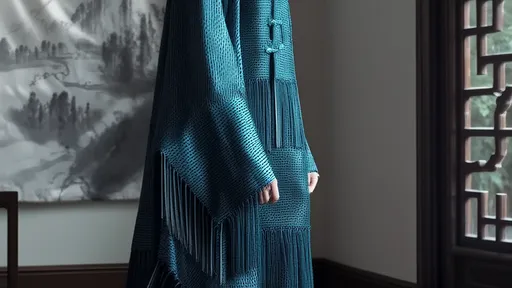
Contemporary designers are pioneering innovative approaches that make size categories obsolete. Advanced pattern-making techniques now incorporate geometric flexibility, allowing single patterns to accommodate multiple body types without distortion. Japanese designer Yohji Yamamoto recently showcased a collection where each piece could be worn comfortably by anyone from size 00 to 24 through strategic draping and adjustable internal structures.
The Science Behind the Revolution
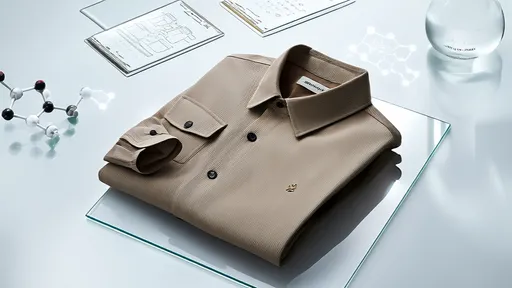
At the heart of this transformation lies cutting-edge textile engineering. Shape-memory alloys woven into waistbands, temperature-responsive fabrics, and modular construction methods enable clothing to adapt dynamically. Researchers at MIT's Media Lab have developed prototypes using "programmable knitting" technology that creates garments which subtly reshape themselves throughout the day in response to movement and posture changes.
Equally important are new approaches to pattern drafting. Instead of grading patterns up or down from a standard size, designers now use parametric modeling software that generates unique pattern variations based on hundreds of body scan data points. This allows for truly customized fits while maintaining efficient production - a breakthrough that could make made-to-measure clothing accessible to mass markets.
Cultural Implications Beyond Fit
The psychological impact of moving beyond sizing cannot be overstated. For decades, the numbers on clothing tags have carried disproportionate emotional weight, serving as constant reminders of societal beauty standards. Size-free clothing eliminates this psychological burden, creating a more inclusive relationship between consumers and their wardrobes.
Major retailers are taking notice. Nordstrom recently launched a size-free contemporary line that saw 300% higher sell-through rates than traditional sized counterparts. "Customers aren't just buying clothing," explains creative director Olivia Chen. "They're buying freedom from the anxiety of fitting rooms and the frustration of inconsistent sizing across brands."
Sustainability Through Smart Design
The environmental benefits of this movement may prove equally transformative. Standard sizing systems generate enormous waste through returns and ill-fitting garments that quickly fall out of rotation. Industry analysts estimate that size-related returns account for nearly 40% of all online fashion returns, creating a carbon footprint equivalent to 3 million cars annually.
Size-free designs dramatically reduce this waste by ensuring better initial fit. Additionally, their adaptable nature extends garment lifespan as wearers' bodies change over time. Patagonia's experimental "Forever Fit" outerwear line demonstrates this principle, featuring adjustable internal structures that allow jackets to accommodate weight fluctuations of up to 30 pounds without compromising performance or aesthetics.
Technical Challenges and Breakthroughs
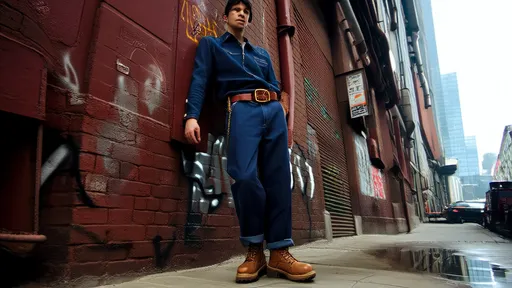
Implementing universal patterns across all garment categories presents significant technical hurdles. Structured pieces like blazers and jeans require different solutions than fluid knits or draped silks. Denim innovators have developed "living seams" - stitch patterns that maintain structural integrity while allowing up to 4 inches of stretch variance in critical areas.
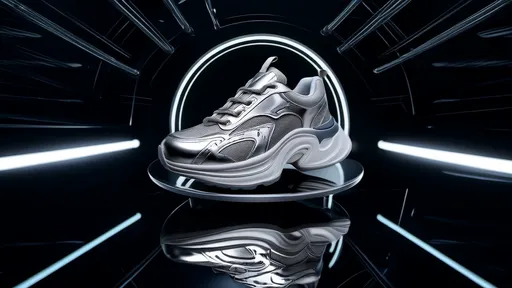
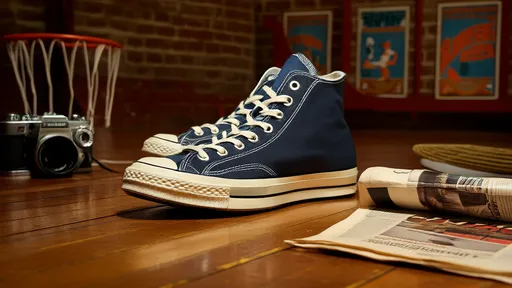
Footwear represents perhaps the final frontier. Traditional shoe sizing relies on precise measurements, but brands like Zappos now offer 3D-printed adapters that customize standard shoe lasts to individual foot shapes. Meanwhile, athletic companies are experimenting with thermoformable midsoles that mold to unique arch contours during initial wear.
The Future of Customization
As this movement matures, we're seeing convergence with other technological trends. Augmented reality fitting systems allow customers to visualize how size-free garments will adapt to their specific proportions before purchase. Blockchain technology enables secure sharing of body scan data across brands while maintaining privacy.
Perhaps most exciting are developments in bio-fabrication. Researchers at Imperial College London are growing textile-like materials infused with living cells that could theoretically expand or contract in response to body chemistry. While still in early stages, such advancements hint at a future where clothing becomes truly symbiotic with the wearer.
The size-free revolution represents more than a convenience upgrade - it's a fundamental redefinition of fashion's relationship with humanity. By honoring the diversity of human forms rather than forcing conformity to industrial standards, this movement promises to make clothing more comfortable, sustainable, and empowering for all.

By /Aug 13, 2025

By /Aug 13, 2025
By /Aug 13, 2025

By /Aug 13, 2025

By /Aug 13, 2025

By /Aug 13, 2025

By /Aug 13, 2025

By /Aug 13, 2025

By /Aug 13, 2025
By /Aug 13, 2025

By /Aug 13, 2025

By /Aug 13, 2025
By /Aug 13, 2025
By /Aug 13, 2025

By /Aug 13, 2025
By /Aug 13, 2025

By /Aug 13, 2025
By /Aug 13, 2025

By /Aug 13, 2025
By /Aug 13, 2025
